Showing posts with label Diet and Nutrition. Show all posts

Monday, November 3, 2008

Food as Fuel

I developed an interest in diet and nutrition after becoming enamored with CrossFit and strength and conditioning. Time and again, I've heard people say that proper nutrition makes up 90% of the equation when it comes to maximizing performance. What exactly is proper nutrition, though?

Many CrossFitters swear by a modified version of Dr. Barry Sears' Zone Diet (to find out more about CrossFit and the Zone Diet, download CrossFit Journal Issue #21 here). It advocates consuming calories from carbohydrates, protein and fat in a ratio of 40:30:30, respectively. Success on the Zone Diet is reliant to a large extent on weighing and measuring meal portions, which are counted in terms of "blocks". The number of "blocks" to be consumed in a day is dependent on age, gender, as well as activity level of the individual.

Another buzzword in the CrossFit nutrition sphere is the Paleolithic (or Paleo) Diet, popularized by Dr. Loren Cordain, who published three books detailing the benefits of such a diet. The Paleo Diet is a way of eating in the modern age that replicates the diet of hunter-gatherers in ancient times, who primarily relied on lean meat, seafood, vegetables, fruits, and nuts for sustenance. To someone who adheres strictly to the principles of the Paleo Diet, all processed foods are taboo, including grains and dairy products.

There has been plenty of discussion on the CrossFit message boards regarding the best nutrition practices. As expected, there hasn't been (and probably never will be) a consensus. After all, different people react in varying ways to different nutritional protocols. A lot of the time, it's a function of genetic predisposition. For example, individual A might lose a ton of weight by adhering to a high-protein diet with low levels of carbohydrates and moderate amounts of fat, while individual B might see considerable success by following the Anabolic Diet (a diet that advocates a high fat intake, where approximately 50% of calories come from fat).

Whatever it is, I'm convinced that proper nutrition plays a large role in supplementing and boosting performance levels, and I've decided to get serious about my diet. Managing my diet has been something that I've wrestled with for quite a while now, and it's time to get that back under control. Even though this borders on quite personal aspects of my life, I'll lay this all out here -- after all, nothing works quite like publicly acknowledging weaknesses, since it provides the impetus necessary to make lasting changes.

It's definitely going to be challenging -- I spent close to three hours on Sunday preparing all my food for the week ahead, and precisely weighing and measuring portions using my nifty little kitchen scale, a $4.99 acquisition from Target. A small price to pay for the assurance that comes from knowing the nutritional composition of everything I ingest over the next few days. I'm pretty much going to be living off chicken breasts, green beans, eggs, and broccoli over the next couple days (it's hard to have much diversity when you're cooking for one). The lack of choice can be interpreted as a good thing, I suppose, since it prevents any ambiguity when it comes to knowing what I'm feeding myself. I don't want it to be unnecessarily complicated, especially during the outset.

I'll post more about the motivation behind the nutrition plan and how I plan to tweak things after the initial period. Oh, and in case you were wondering, I'm not following either the Zone Diet or strict Paleo (though my diet can pretty much be categorized as Paleo-ish, since it eschews processed foods and is comprised primarily of the types of food that the Paleo diet champions). It's based off Lyle McDonald's (a respected exercise physiologist and a noted figure in the area of performance nutrition) Rapid Fat Loss Handbook plan, and looks to be an effective, relatively short (10-14 days) protein-sparing modified fast (PSMF) program that will help set me on the path towards a sustainable, healthy nutrition program.

Friday, August 22, 2008

Eat More, Weigh Less


"I'm not eating much, I'm hungry, and I'm not losing weight."

If you've ever tried to lose weight, you've probably been in that dilemma before. What gives? It's time to take a look at what you're eating, rather than how much. You'll be surprised by how many calories some "small" meals contain. Let's compare a typical day of meals and see where you are missing out.

Check out this article on food by CrossFit Rockwall.

Monday, June 2, 2008

If you only remember ten things...

The following list was created by by Scott Kustes over at Modern Forager and posted on January 1, 2008, to serve as a reminder to all about the importance of healthy eating and adopting a balanced lifestyle.

Though we're already halfway through the year, it's never too late to take these pointers to heart and incorporate them into everyday life. There's no better time than the present!

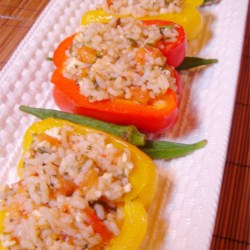
On tonight's healthy menu: Stuffed Peppers


***

Ten Things to Remember In The New Year

1. Junk food doesn’t exist; there is junk and there is food.
2. Similarly, real food has no nutrition label. Food products have nutrition labels.
3. If a label tells you how healthful the product inside is, it’s probably not. Don’t be deceived by marketing.
4. Sugar is detrimental to your body in more ways than you can count.
5. Organic/natural junk is still junk. Thirty grams of sugar from honey is not more healthful than 30g of sugar from other sources.
6. If you are wondering if you should eat more vegetables, the answer is yes. I don’t care how many you eat, you should probably eat more.
7. Similarly, you should probably sleep more. Turn off the TV and go to bed. Given the quality of most TV programming, you aren’t going to miss anything of importance.
8. Don’t let “I can’t afford organic” keep you from eating enough produce. Organic vegetables are best. However, eating conventional is better than not eating produce at all.
9. You’re human and you will eat something too sugary and too carby. Don’t stress; just get back on the wagon.
10. And finally: health is a lifelong journey, not a quick-fix. Find something you can stick with.

***


I particularly like #9. All too often we adopt an all-or-nothing stance when it comes to healthy eating, which makes it easy to fall off the wagon entirely, and completely blow our carefully-plotted nutrition plans in a single moment of folly. Relax, we're only human, and mistakes happen.

I guess the important thing is not to be suckered into thinking that one cupcake proves entirely damning to your pursuit of a healthy lifestyle. Cripes, you've already eaten it - moping isn't going to magically dissipate the calories, and further binging doesn't help matters any - you might as well polish off the crumbs, lick your lips, and get right back on track!

Image courtesy of AllRecipes.Com.

Thursday, May 22, 2008

The Four Stages of Mental Mastery

The 4 Stages of Mental Mastery

This is an excellent article by Chris Shugart, over at the T-Nation site.

For the record, I think T-Nation has a wealth of articles and forums that are immensely valuable. Resources on performance training, bodybuilding, diet and nutrition, among others, can all be found on this site.

Keep in mind, though, that it's a site that caters to a diverse group of people with goals that do not necessarily converge. The hardcore CrossFitter may be turned off by the articles that advocate isolation movements for bodybuilding purposes - likewise, most people may find it hard to be convinced that they can "get shredded" by following the advice in articles like the one written about the Anabolic Diet (which pretty much goes against the grain of typical diet trends as it is a diet primarily composed of fat, with ratios as high as 60-65 per cent of daily intake for several days each week).

Training and nutrition are extremely individualized and what works like a dream for somebody may work nowhere near as well for another person. T-Nation provides a good starting point to source articles on such topics, however, and with some trial and error I daresay it can function as a useful tool in planning a personalized program. Oh, and it's not always WFS (work-family safe) either, given the editors' penchant for strategically interspersing photos of a highly exciting nature throughout their articles and the website (perhaps to stimulate - ha ha - readers' interest? Take it for what you will).

Back to the article at hand. My training buddies can tell you that I've been pretty enamored with Shugart's latest piece ever since I first read it several days ago. He lays out the four stages of mental mastery, which are as follows:

1. Unconscious Incompetence
2. Conscious Incompetence
3. Conscious Competence
4. Unconscious Competence


I daresay most people who have taken steps towards researching how to lead a healthy lifestyle have already left Stage 1 behind. Then again, I could be wrong - there's a miasma of misguided information on the Web and just about everywhere, which is why you see bench presses and bicep curls forming the meat-and-potatoes of many a gym rat's workout. As Shugart says in the article, the way to get out of this rut is to become educated (i.e., to know why you train the way you do, to lay out specific goals and to do the necessary things to attain them), and also to periodically switch up your training program so that you won't do the same workout day in, day out.

Stage 2 is probably the most problematic stage for most people. I'm not ashamed to admit that I struggle with being in Stage 2 at times. The forbidden fruit always tastes sweetest - and too often it's all too easy to fall into the cycle of rationalization, as Shugart terms it. One concession gives way to more and it gets more difficult to pull yourself out when the hole you're in keeps becoming deeper. It's easy to say that it's all in the mind (and as a matter of fact, it really is), but extremely challenging to put into practice.

How much do you really want to achieve the goals you've set for yourself? Do you want them bad enough to sacrifice instant gratification (e.g. skipping dessert in favor of a protein shake and ripped abs)? One of the hardest things about this is that you have to make a choice between the present, which is readily apparent and immediately tangible, and the future, which may be hazy, or even apparent in your mind's eye, but most definitely still intangible. Try putting a mouthwatering slice of chocolate ganache cake in front of anyone and chances are even the most dedicated person will waver in the face of such temptation.

Without sugar-coating his terms, Shugart says to man up and recognize the pitfalls of rationalization. With respect to that, I agree - but I also think positive visualization is key here. There's no other way around it. You need to set goals and think of yourself getting nearer towards that satisfactory end point with every decision that you make. In my opinion, that's the only way you can remain staunch in the face of that lovely chocolate slice. No bones about it, it's hugely difficult - but it definitely helps to have a mental image of, say, your dream physique, in your mind to help you make the right choice. Without conceptualizing such goals, resisting temptation simply becomes a matter of denying yourself pleasure. And to me, that's really not the point at all. Life is not meant to be lived in such a way.

Stage 2 and 3 are closely linked. In Stage 3, you conquer temptation, but boy, is it hard. It's a challenge every day when you know you could be sleeping in instead of hitting the gym at 6:00 am to get your workout in. And dang it, I'll be blasted if that luscious chocolate ganache cake isn't still coyly beckoning from the kitchen counter. It takes a lot of effort to remain in Stage 3 and prevent the backslide into Stage 2. It's all too easy to fall off the bandwagon, especially when it comes to making tiny concessions which often snowball into enormous ones. Shugart states that it's best to go "cold turkey" in the outset - without the possibility of concessions, it's easier to stay strict. I definitely agree with this point. Like the Alcoholics Anonymous line, "you're only one drink away from the next drunk".

Shugart also mentions how rewards become more and more apparent with time and effort. Not necessarily rewards in terms of cake or other delectable (but bad for you) edibles, but rewards in terms of, say, compliments, or perhaps the realization that you need to get a new wardrobe since the pants that you used to struggle to zip up are about four sizes too big. These are all healthy cues that only serve to remind you of why you do what you do in times of flagging motivation or times when it seems like such a chore to subscribe to such asceticism. Be encouraged by them, and keep on keeping on!

Stage 4. Wow. What can I say - it's a happy place! In some aspects of my life I can say that I may have attained something approximating Stage 4 enlightenment, but unfortunately I'm still far away in many other parts. For instance, I never eat in fast-food places (McDonald's, Burger King, KFC...). Avoiding such places is a non-issue for me. I weaned myself off the three-piece meal with upsized cheese fries and a side of whipped potatoes (all of which I used to love) at KFC about five years ago, and it was crazy difficult then - but consistently steering clear of fast food has made it practically impossible for me to imagine that I would ever even consider eating such junk again. In terms of training and getting workouts done consistently, I believe I'm in Stage 4 as well. In my opinion, there's nothing worse than not being able to work out!

That being said, I am still floundering in Stage 3 (and perhaps even Stage 2) in other parts of my training and nutrition program. There's nothing else to do but to keep persevering. The rewards I mentioned in Stage 3 are probably going to be the most useful tools in pushing anyone over the edge into Stage 4. The tangible results that come from a consistently good nutrition and training protocol only serve as fuel for the fire, and I daresay that is the best motivation in itself. Of course, the hardest thing is getting started. Stage 4 is all about creating healthy habits, practices that make it impossible to accept anything less than the very best for yourself.

So, here are my takeaways from the article:

1. Get Educated (with regards to training, nutrition - try a variety of things that work for you, and see what works best. It's all an experimental process but you'll reap the benefits of experience).
2. Set Goals and Visualize them on a Consistent Basis (these are the things that will keep you on task during times of temptation).
3. Update and Evaluate Goals (so that you know where you stand with regards to the objectives you've set out for yourself. If you're on target, you'll see the benefits - if not, tweak something in the program, but don't fall down the slippery slope of rationalization or making concessions for yourself).

Thursday, May 8, 2008

Baked Paper-Wrapped Tilapia and Cabbage Cakes


Recipe for Cabbage Cakes adapted from Almost Vegetarian by Diana Shaw
Makes 6 pancakes

***
Cabbage Cakes
Ingredients:
3 cups loosely packed thinly shredded green or red cabbage
1/4 cup egg substitute
1 tbsp nonfat half-and-half
2 tbsp Fage 0% Greek Yogurt
2 tbsp whole wheat flour
1 clove garlic, chopped
1/4 cup minced chives (I left these out because I didn't have chives)

mixed greens, to serve

Directions:
Steam the cabbage on the stove top or in a microwave. Drain well in a colander.

In a mixing bowl, beat together the egg substitute, half-and-half, yogurt, and flour. Stir in the cabbage, garlic, and chives.

Heat a nonstick griddle (lightly greased if foods tend to stick to yours anyway) over medium heat. When hot, give the batter a stir and drop 1/4 cup of batter for each cake onto the griddle, cooking up to 4 at a time.

Cook until bubbles form on the surface, and the cake has browned underneath, about 5 minutes. Using a plastic spatula, turn to brown the other side, 3 to 4 minutes more.

Repeat, stirring the batter before dropping it onto the griddle, until you've used up all of the batter. Transfer to a warm plate and serve right away, together with mixed greens.

***
Nutrition Facts (per serving - 2 pancakes):
Calories: 94
Total Fat: 0 g
Protein: 8 g
Carbs: 16 g

***


I would call this Tilapia en Papilotte but it just makes it sound too fancy! Haha.
Recipe inspired by the amazing baked tilapia I had at Sharon L.'s place.
Makes 2 servings

***
Baked Paper-Wrapped Tilapia
Ingredients:
2 medium tilapia fillets (about 5-6 oz)
juice of 1 lemon
2 tsp capers, drained
10 cherry tomatoes, sliced
Italian seasoning
salt and pepper to taste

Directions:
Preheat oven to 420 degrees.

For each portion -
Fold a 12-inch square of baking parchment in half diagonally and crease the corners. Grease the parchment with baking spray. Arrange one portion of tilapia fillet on one side of the paper.
Sprinkle Italian seasoning over the fish and add salt and cracked black pepper as desired. Arrange half the sliced cherry tomatoes and sprinkle one teaspoon of capers over the fish. Drizzle lemon juice over.
Fold the other side of the paper over the fish and seal the package into a half oval with a series of creases, starting with one corner and finishing with a twist at the opposite end. Repeat for the remaining portions.

Bake the packages on a sheet pan until the paper is browned and puffy, 10-12 minutes. To serve, slit open each package and slide the contents, out onto a plate; or serve in the paper, letting each diner cut open his own.

***
Nutrition Facts (per serving):
Calories: 228
Total Fat: 6 g
Protein: 40 g
Carbs: 6 g

Wednesday, May 7, 2008

Broiled Teriyaki Salmon with Thai Salad


Adapted from The Food Bible by Judith Wills
Makes 2 servings

***
Ingredients:

Salmon
2 medium salmon fillets (about 5 oz)
2 tablespoons teriyaki marinade
Salt and pepper, to taste

Thai Salad
1 mini cucumber (approx. 3-4 inches)
1 medium zucchini
1 medium mango
1 cup fresh beansprouts
1 tsp peanut oil
juice of 1 fresh, juicy lime
2 tsp fish sauce
2 garlic cloves
1 small hot green chili pepper, seeded and chopped
pinch of sugar
few fresh mint and cilantro leaves, chopped

2 lime wedges, to serve
mixed greens, to serve

***
Directions:
Place the salmon fillets in a dish and pour the teriyaki marinade over them, coating well. Marinate, covered, in the refrigerator for at least 30 minutes, but not more than an hour.

Peel and stone the mango and slice into thin strips. Peel the cucumber and cut into thin strips. Slice the zucchini similarly. Pluck the heads and tails of the beansprouts and discard them. Combine the cucumber, zucchini, mango, and beansprouts.

When the salmon is ready, preheat the broiler. Remove the salmon from the marinade and place, skin side down, on a baking sheet. Place the baking sheet under the broiler and cook for about 5 minutes, depending on the thickness of the salmon.

While the salmon is cooking, mix the peanut oil, lime juice, fish sauce, garlic, chili, sugar, and herbs together, and toss with the salad.

Arrange the salad on serving plates. Remove the skin from the cooked salmon once it is ready, then cut it into chunks and serve on a bed of mixed greens, along with the Thai salad and lime wedges. Season with cracked ground pepper as desired.

***
Nutrition Facts (per serving):
Calories: 391
Total Fat: 15 g
Protein: 37 g
Carbs: 27 g

Thursday, April 17, 2008

Something to chomp on...

Well, so I was thinking (something I occasionally like to do, of course I try to minimize the times at which it happens - haha), about nutrition, and I thought I'd share some of my feelings regarding this iffy issue.

I think we probably all are aware of just how much of a role diet and nutrition play in our daily lives. You don't have to be an expert to know that if you eat too much of the wrong foods, you will probably experience some or all of the following characteristics:

1. Balloon to extreme proportions;
2. Elevate your risk of suffering from illnesses like heart disease, diabetes, and a long list of other depressing ailments; and
3. Generally feel crappy all the time (though you might be so used to feeling that way such that you don't even know what feeling good feels like anymore, which is quite a sobering thought, really).

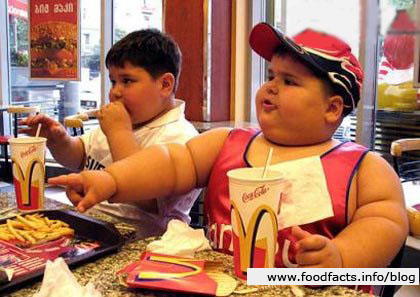
The evidence speaks for itself. The obesity rate in this country is simply startling. The incidence of diseases resulting from engaging in unhealthy vices has skyrocketed. Fast food corporations are making a killing from marketing their Monster Thickburgers, McSkillet Burritos, and other greasy, calorie-laden offerings.

1,420 calories and 107 grams of fat make the Hardee's Monster Thickburger a legit heavyweight.


Wanton overconsumption is glamorized in the ads that leave impressionable youths with the misguided idea that it's macho to be able to down a couple pounds' worth of hamburger meat with bun and trimmings (perhaps in the form of a Carl Jr's Double Six Dollar Burger - boasting 1520 calories and 111 g of fat), as well as a Coke and supersized fries liberally sprinkled with salt and doused with Cheez-Whiz, all in one sitting. Well, if your idea of machismo is legitimized by the fact that you're willing to put yourself at greater risk (for blocked arteries, high cholestrol and central adiposity), that's probably alright. Otherwise, it's not.

I know it isn't fair to lump everyone into the "I-don't-give-a-flying-s*&$#-what-I-stuff-into-my-pie-hole-as-long-as-it-tastes-good" category, as I truly believe that most people are genuinely aware of what foods are beneficial and which are best to be avoided. In today's society, however, an overwhelming number of people are preoccupied first and foremost with immediate gratification. If it tastes good, I'll eat it, and worry about the consequences later. If it's readily available (in the form of a McDonald's drive-thru), even better!

And very naturally, they then fall into a vicious cycle of justifying their choices. Well, it's just a burger, right? Hamburger meat... hmmm, that's basically ground beef and that's protein, isn't it? I suppose I'll get an energy boost from the carbs in the sesame bun? I know that limp, wilted sliver of lettuce doesn't look like much, but with the lone tomato slice I figure that might be a serving of vegetables. Cheese for strong bones, and mayo for a good old-fashioned dose of healthy lipids! And with a puff of smoke, the deconstructed Double Whopper magically morphs into a meal Jack LaLanne would wholeheartedly endorse!

Hey, Mom, could I have the rest of your McNuggets?

Sadly, most people don't realize how the consequences of their choices accumulate until they visit the doctor for their periodic checkup and are solemnly informed that their blood work has revealed some frightening figures. Or maybe it hits them when they wake up one morning, look down to tie their shoelaces and realize they can't even see the tips of their shoes beyond their bellies (and it's not because they misplaced their glasses).

I'm not even going into the specifics of nutrition where the debate takes the importance of healthy eating as a given, and instead focuses on the types of foods that will help to achieve optimal health (I'll probably do that in a subsequent post). I'm just trying to highlight here how crucial it is to understand the risks associated with the widespread persistence in making patently bad food choices.

Unfortunately, a lot of the time, the future fades into oblivion when it comes to choosing between options, and in this nation where instant gratification is routinely preferred over calculated decision-making (much like how certain political choices appear to have been made), the eventual outcomes don't bode well at all.

Images courtesy of Brand Autopsy and Foodfacts.